
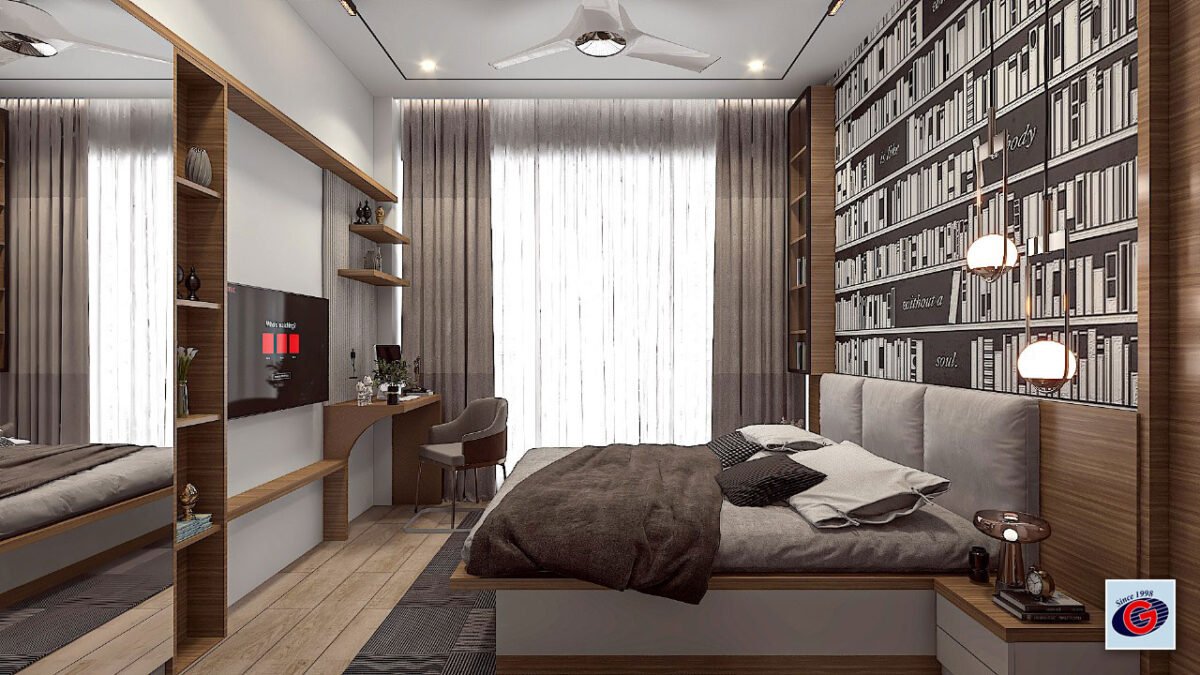
A home is not just a structure made of walls and furniture—it is a personal space where everyday life unfolds. A well-designed home interior supports comfort, functionality, and emotional well-being while reflecting the personality and lifestyle of the people living in it.
In today’s fast-paced world, home interiors are expected to do much more than simply look attractive. They must adapt to changing needs, offer practical solutions, and remain comfortable over the long term. Thoughtful home interior design brings all these elements together in a balanced and meaningful way.
Understanding the Purpose of Home Interior Design
Home interior design is about planning spaces that support daily routines effortlessly. Each area of the home—living room, bedroom, kitchen, dining space, or study—has a specific function, and good design ensures that these functions work smoothly together.
Poorly planned interiors often lead to clutter, discomfort, and wasted space. In contrast, a well-designed home feels organized, calm, and easy to live in. Movement within the home becomes natural, storage feels sufficient, and every room serves its purpose without feeling overcrowded.
Good interior design enhances the quality of everyday living, not just the visual appeal of the space.
Space Planning: The Backbone of a Well-Designed Home
Effective space planning is the foundation of successful home interiors. Regardless of the size of the home, smart planning ensures that available space is used efficiently.
Clear zoning between living, private, and service areas improves comfort and privacy. Furniture placement, circulation paths, and storage locations should be carefully planned to avoid congestion and unnecessary movement.
At Gruhashobha Interiors, space planning is approached with a deep understanding of how families live and interact within their homes. The focus is always on creating layouts that feel open, functional, and adaptable to future needs.
Balancing Comfort and Aesthetics
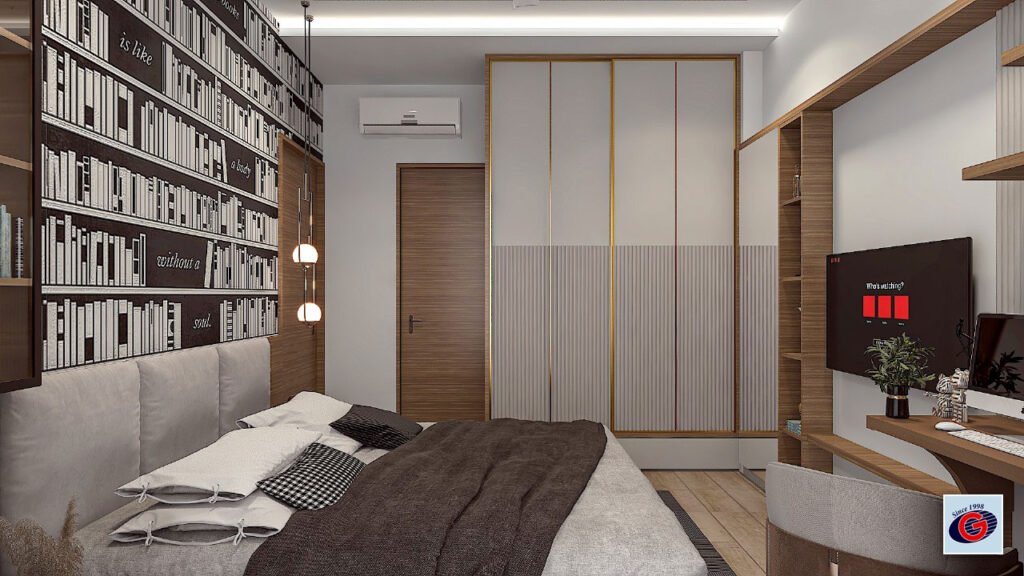
A beautiful home should also be comfortable. Interior design that focuses only on appearance often fails in long-term usability. True comfort comes from the right balance between aesthetics and practicality.
Comfortable seating, appropriate furniture proportions, and easy-to-maintain materials play a key role in everyday living. Sofas, beds, and dining furniture should support posture and comfort, while finishes and surfaces should be durable enough to handle daily use.
When comfort and aesthetics work together, the home feels inviting rather than overwhelming.
Lighting: Setting the Mood of the Home
Lighting has a powerful impact on how a home feels. Natural light brings freshness and warmth, making spaces feel open and positive. Wherever possible, home interiors should be planned to maximize daylight through proper window placement and light-colored surfaces.
Artificial lighting should be layered thoughtfully. Ambient lighting provides overall brightness, task lighting supports specific activities, and accent lighting adds depth and character. Proper lighting not only enhances functionality but also influences mood and relaxation.
Well-planned lighting transforms interiors, making them comfortable throughout the day and evening.
Storage Solutions for Clutter-Free Living
One of the biggest challenges in modern homes is managing storage effectively. Without proper storage planning, even the most beautiful interiors can feel messy and stressful.
Built-in storage, modular cabinets, and multifunctional furniture help maintain a clean and organized environment. Storage solutions should be practical, accessible, and designed to blend seamlessly with the overall interior style.
Smart storage planning reduces visual clutter and allows the home to remain calm and spacious.
Material Selection and Long-Term Durability
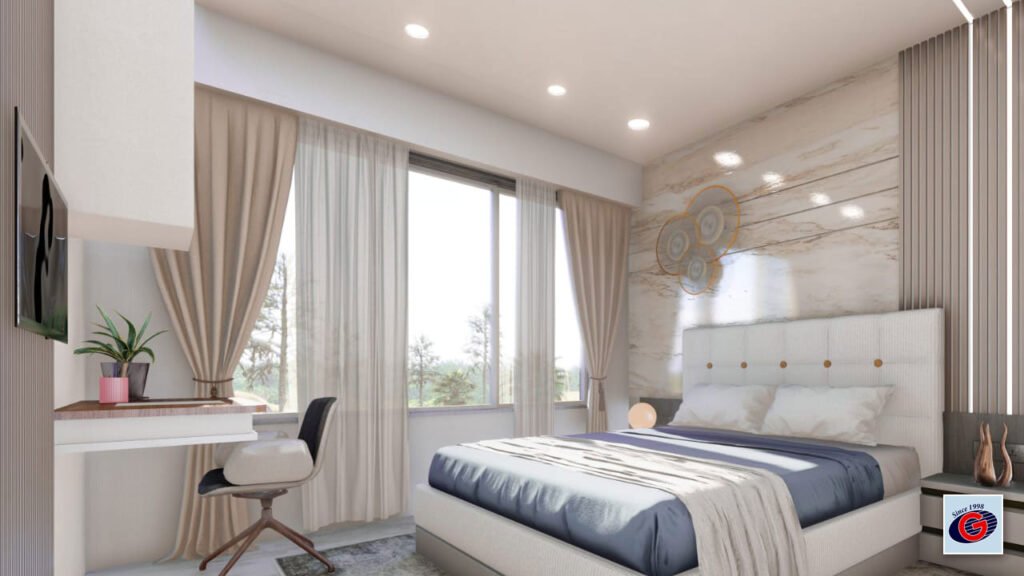
Home interiors are a long-term investment, making material selection extremely important. Finishes, furniture, and fittings should be chosen not only for their appearance but also for their durability and maintenance requirements.
Quality materials age better, require fewer repairs, and provide better value over time. Timeless finishes often outperform trend-driven choices, ensuring that the home remains relevant and appealing for years.
Professional interior design helps homeowners make informed decisions that balance style, budget, and longevity.
Reflecting Personal Style Without Overdoing It
A home should reflect the personality of its occupants, but personal style must be applied thoughtfully. Overuse of colors, patterns, or decorative elements can make spaces feel visually heavy and chaotic.
Neutral bases combined with carefully chosen accents allow flexibility and ease of future updates. Artwork, soft furnishings, and décor elements can express individuality without overwhelming the space.
Subtle personalization creates a home that feels unique yet timeless.
Why Professional Home Interior Design Matters
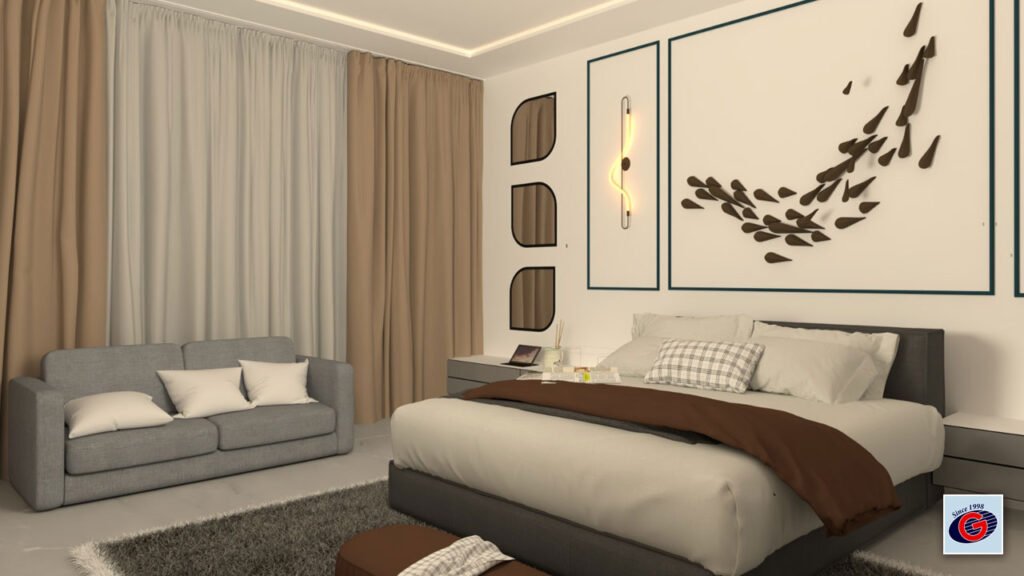
Professional home interior design ensures that all elements—space planning, comfort, lighting, materials, and aesthetics—work together cohesively. It prevents costly mistakes, repeated modifications, and design inconsistencies.
Experienced designers anticipate future needs, propose practical solutions, and manage details that homeowners often overlook. The result is a home that feels complete, functional, and well thought out from the start.
At Gruhashobha Interiors, home interiors are designed with a clear focus on everyday comfort, practicality, and lasting value.
Conclusion
Home interior design plays a vital role in shaping how we live, relax, and connect with our surroundings. A thoughtfully designed home supports daily routines, enhances comfort, and creates a sense of balance and harmony.
Whether designing a new home or upgrading an existing one, investing in professional interior design ensures that the space remains functional, comfortable, and timeless.
A well-designed home is not just seen—it is felt, every single day.