
Comfort, Style, and Smart Functionality
In today’s competitive hospitality industry, guests expect much more than just a clean room and a comfortable bed. Even in the 3-star hotel category, travelers now look for stylish interiors, practical comfort, relaxing ambience, and memorable experiences — all within an affordable budget. A well-designed hotel interior not only improves guest satisfaction but also strengthens brand identity and increases repeat bookings.
For hotel owners, interior design is no longer just decoration. It is a strategic investment that directly impacts customer experience, online reviews, and business growth.
At Gruhashobha Interiors, we believe that successful 3-star hotel interiors must balance aesthetics, functionality, durability, and cost-effectiveness. Let’s explore how thoughtful interior design can transform a mid-range hotel into a welcoming and profitable hospitality space.
Understanding the Modern 3-Star Hotel Guest
Today’s 3-star hotel guests include:
- Business travelers
- Families
- Tourists
- Young couples
- Solo travelers
- Small event visitors
These guests may not expect luxury like a 5-star property, but they still expect:
- Clean and elegant interiors
- Comfortable rooms
- Smart space utilization
- Good lighting
- Pleasant ambience
- Functional furniture
- Instagram-worthy corners
- Professional appearance
This means hotel interiors should feel modern, organized, warm, and practical without becoming unnecessarily expensive.
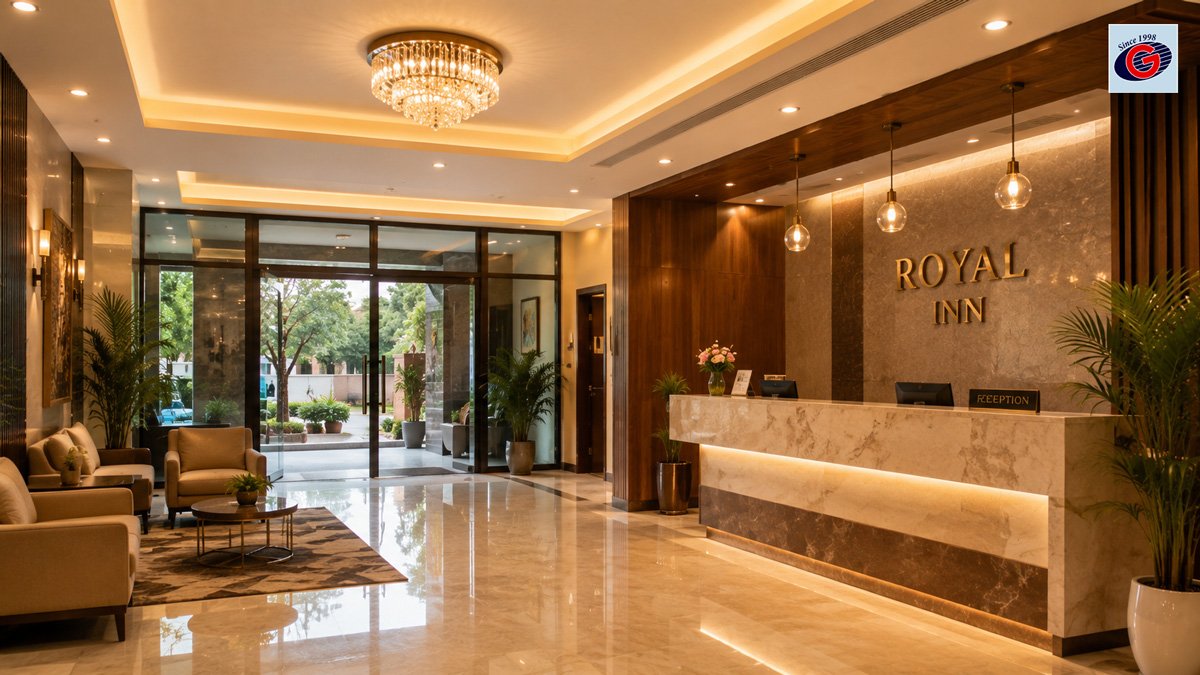
First Impression Begins at the Reception
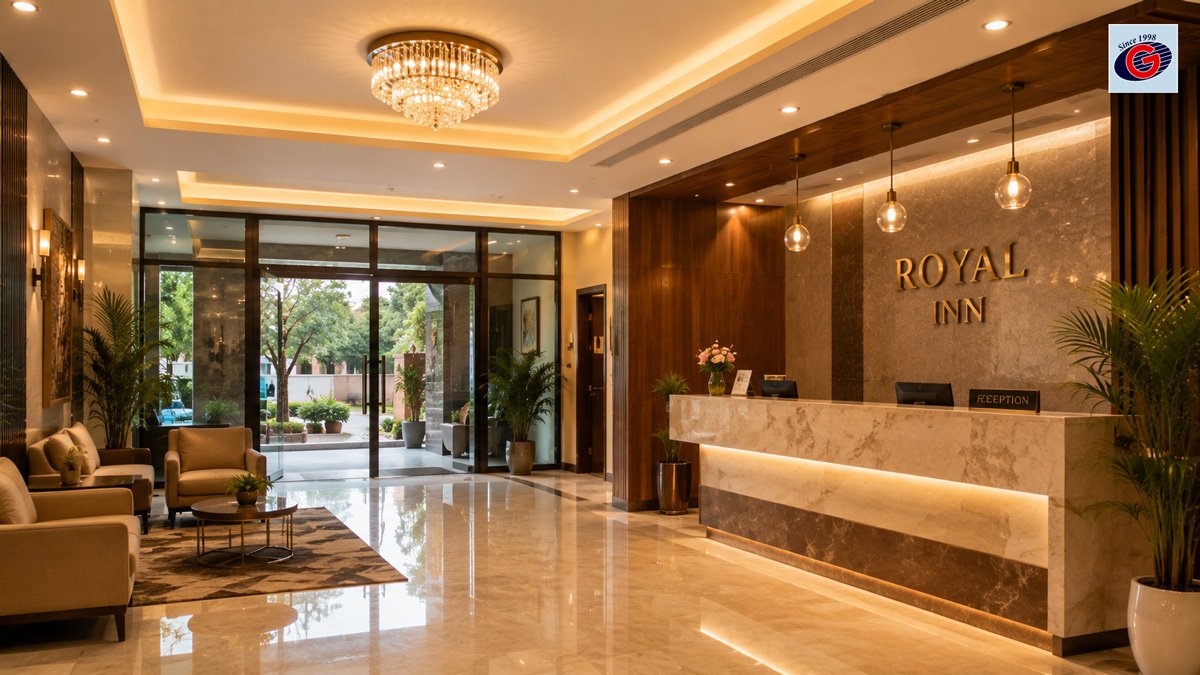
The reception area is the face of any hotel. Guests form their first opinion within a few seconds after entering the property.
A well-designed reception should include:
- Elegant reception desk
- Comfortable waiting area
- Proper lighting
- Brand-colored interior theme
- Decorative wall elements
- Indoor plants
- Organized circulation space
Neutral shades combined with warm lighting create a welcoming atmosphere. Modern textures like wood laminates, stone finishes, and subtle metallic accents can add a premium feel without increasing costs too much.
Even a compact reception can look spacious with proper layout planning and mirror usage.
Smart Guest Room Design
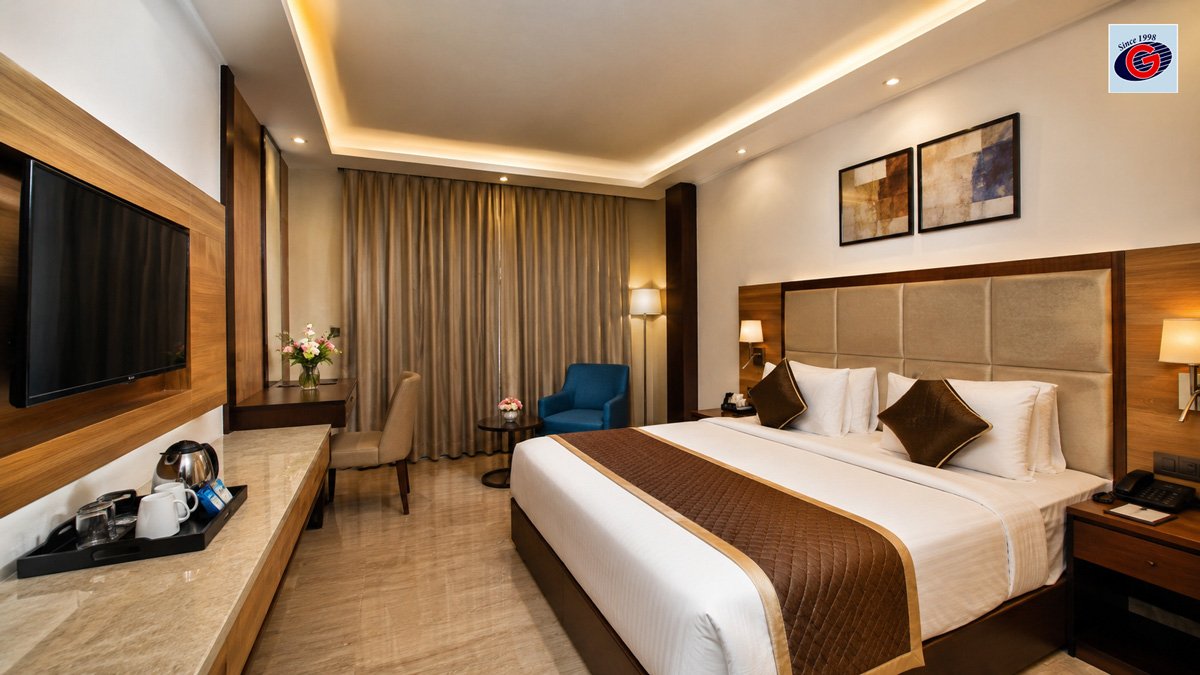
Guest rooms are the heart of hotel interiors. The design should focus on comfort, convenience, and maintenance.
Key Elements of a Good 3-Star Hotel Room
1. Space Optimization
Most 3-star hotels have compact rooms. Smart furniture placement helps maximize usable space without making rooms feel crowded.
Wall-mounted TVs, compact wardrobes, floating study tables, and multipurpose furniture help improve functionality.
2. Comfortable Bedding
The bed becomes the visual center of the room. Good-quality mattresses, elegant headboards, soft lighting, and coordinated linens enhance guest comfort instantly.
3. Lighting Design
Layered lighting creates a better guest experience.
A combination of:
- Ceiling lights
- Bedside lamps
- Mirror lights
- Warm ambient lighting
helps create a relaxing atmosphere.
4. Durable Materials
Hotel interiors face heavy daily usage. Materials should be stylish yet durable.
Popular choices include:
- Laminates
- Vitrified tiles
- Scratch-resistant surfaces
- Washable paints
- Commercial-grade upholstery
These materials reduce maintenance costs in the long run.
The Importance of Bathroom Design
Modern travelers pay close attention to hotel bathrooms. Even a simple room can feel premium if the bathroom is clean, modern, and well-lit.
Important bathroom design elements include:
- Anti-skid tiles
- Glass shower partitions
- Wall-mounted accessories
- Good ventilation
- Large mirrors
- Soft lighting
- Easy-to-clean surfaces
Neutral color schemes with minimalistic fittings create a sophisticated appearance while keeping maintenance simple.
Restaurant and Dining Area Interiors
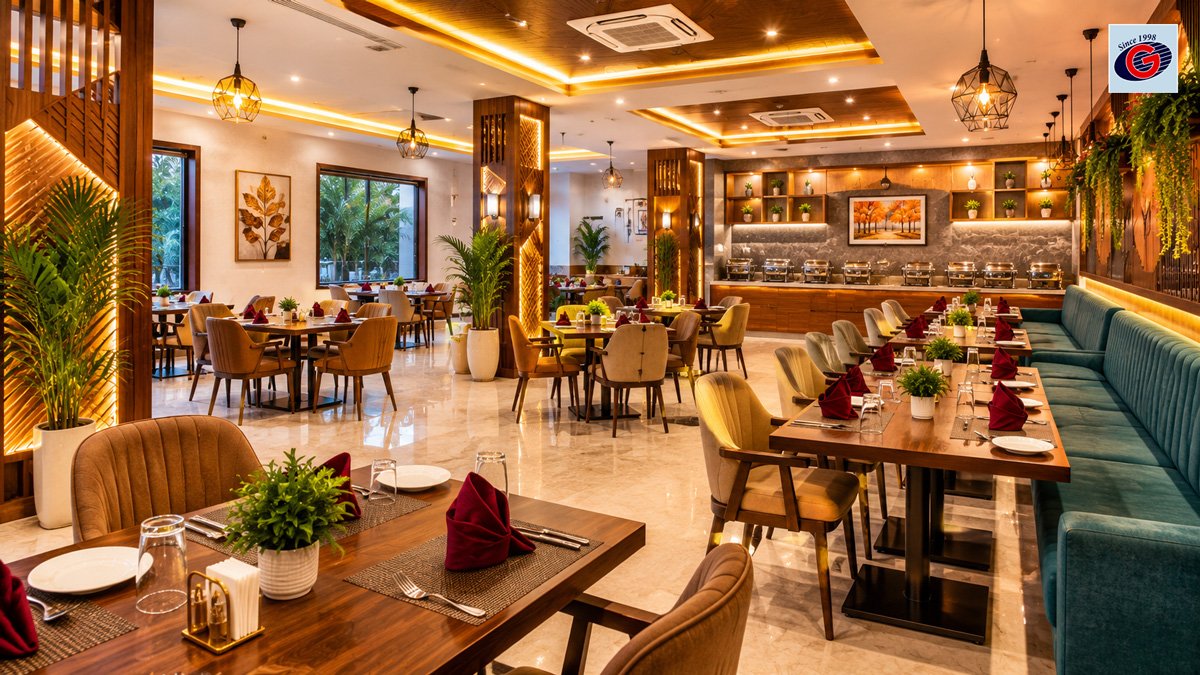
If the hotel includes a restaurant or breakfast area, interior design becomes even more important because dining spaces strongly influence guest experience.
The dining area should feel:
- Clean
- Spacious
- Comfortable
- Hygienic
- Visually attractive
Wood textures, warm lighting, artistic wall décor, and comfortable seating create a pleasant environment for guests.
Proper table spacing and smooth service movement are equally important. Beautiful interiors should never compromise functionality.
Corridor and Common Area Design
Many hotels focus only on rooms and ignore corridors or transition spaces. However, guests experience these areas repeatedly during their stay.
Well-designed corridors with:
- Soft lighting
- Elegant wall finishes
- Direction signage
- Decorative frames
- Consistent flooring
help create a premium and organized impression throughout the property.
The Role of Color Psychology in Hotel Interiors
Colors strongly affect guest mood and comfort.
For 3-star hotels, the most effective color palettes usually include:
- Beige
- Warm grey
- Cream
- Light wood tones
- Soft earthy shades
- Muted blues or greens
These colors create calmness and sophistication without overwhelming the space.
Accent colors can be used carefully in cushions, artworks, wall panels, or upholstery to add visual interest.
Budget-Friendly Luxury: The Smart Approach
Many hotel owners assume good interiors require massive budgets. In reality, smart planning matters more than expensive materials.
A professional interior designer helps prioritize:
- High-visibility areas
- Long-lasting materials
- Efficient layouts
- Cost-effective finishes
- Easy maintenance solutions
This creates a luxurious appearance within practical investment limits.
The goal is not to imitate luxury hotels but to create a clean, stylish, and memorable guest experience suitable for the hotel category.
Importance of Lighting in Hospitality Design
Lighting completely changes the perception of a hotel interior.
Poor lighting can make even expensive interiors look dull, while proper lighting can enhance simple interiors beautifully.
For 3-star hotels, warm lighting works best because it creates:
- Comfort
- Relaxation
- Premium feel
- Better ambience
Decorative pendant lights, concealed lighting, and soft bedside lighting can dramatically improve the visual appeal of interiors.
Social Media-Friendly Hotel Interiors
Today’s guests love sharing hotel experiences on social media. A few thoughtfully designed corners can naturally encourage photography and online promotion.
Simple ideas include:
- Stylish reception backdrop
- Artistic wall design
- Decorative seating corner
- Creative lighting feature
- Local cultural elements
These details help create memorable guest experiences and increase organic visibility online.
Why Professional Interior Design Matters
Hotel interior design is not only about beauty. It involves:
- Space planning
- Guest psychology
- Durability
- Safety
- Maintenance
- Brand identity
- Operational efficiency
Professional interior designers understand how to combine all these factors into one cohesive experience.
At Gruhashobha Interiors, we create hospitality interiors that are visually attractive, guest-friendly, and practically designed for long-term performance.
Final Thoughts
A successful 3-star hotel interior is not defined by luxury alone. It is defined by comfort, cleanliness, smart planning, welcoming ambience, and thoughtful guest experience.
In the modern hospitality industry, interior design directly influences:
- Guest satisfaction
- Online ratings
- Repeat bookings
- Brand reputation
- Business growth
Whether it is a boutique hotel, business hotel, or tourist accommodation, professionally designed interiors can significantly improve both customer experience and operational value.
If you are planning a new hotel project or renovating an existing property, investing in smart interior design can become one of the most profitable decisions for your hospitality business.
Gruhashobha Interiors Private Limited,
Designing Spaces. Delivering Trust.
Email: info@gruhashobhainteriors.com
Phone: +91 9823013557, 9764000172